
Activating Passive Radon Systems in Illinois: IEMA Guide
By Jake Lusby · Air Sense Environmental
Activating a passive radon system in Illinois involves converting an existing radon-resistant pipe into a fully functional active mitigation system by installing a specialized fan. This process is essential for Metro East homeowners in areas like Madison and St. Clair counties when initial radon tests reveal elevated levels.
Many newer homes in Illinois are built with passive radon pipes, but these systems often require activation to effectively reduce radon concentrations below the EPA action level of 4.0 pCi/L. The Illinois Emergency Management Agency (IEMA) licenses and regulates the professionals who provide radon measurement and mitigation services to the public, ensuring commercial upgrades meet state standards.
This guide details the regulatory context, technical steps, and post-activation responsibilities for homeowners looking to activate their passive radon system according to state and federal guidelines.
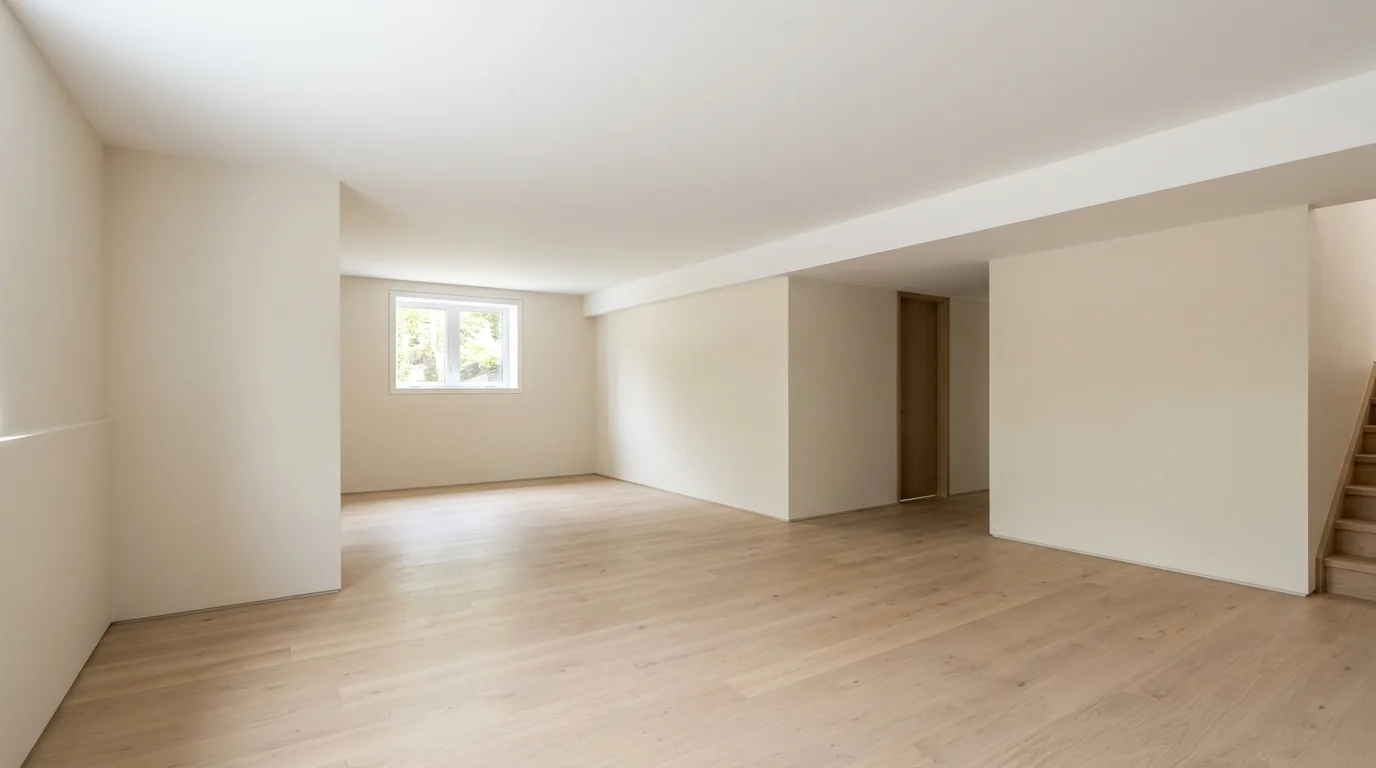
What is a passive radon system?
A passive radon system is a foundational component in new construction homes, especially those built with radon-resistant construction features. It typically includes a gas-permeable layer beneath the concrete slab, plastic sheeting, and a vent pipe extending from the foundation through the roof. This design naturally draws radon gas out of the home, relying on natural pressure differentials and air currents without a mechanical fan.
However, these passive features may not always reduce radon levels below the EPA action level of 4.0 pCi/L, requiring activation. The U.S. EPA recommends testing every new home with radon-resistant features after occupancy. If levels are 4.0 pCi/L or higher, the passive system should be activated by installing a vent fan, as outlined in their guidance for homeowners.
Common reasons a passive system might require activation include:
- High Post-Occupancy Test Results: Radon levels remain at or above 4.0 pCi/L after initial testing.
- Inadequate Natural Airflow: The passive stack effect is insufficient to create enough suction to effectively vent radon.
- Home Characteristics: Factors like soil type, foundation design, or extensive sealing may limit natural radon removal.
- Seasonal Variations: Radon levels can fluctuate with weather and seasonal changes, sometimes exceeding safe limits.
- New Occupancy Patterns: Using a previously unfinished basement as living space can increase exposure and necessitate lower radon levels.
What are the Illinois legal requirements for activating a passive radon system?
In Illinois, the primary legal requirement regarding radon mitigation applies to professionals offering services to the public. The Illinois Emergency Management Agency (IEMA) licenses and regulates all individuals who provide radon measurement and mitigation to the public, ensuring that commercial installations meet specific safety and effectiveness standards to protect Metro East homeowners.
Key regulatory points for activating a passive system in Illinois include:
- Licensed Professionals: IEMA regulates contractors providing mitigation to the public, meaning any hired company must hold a valid state license to perform fan installations or system upgrades.
- Adherence to Standards: Licensed mitigators must follow specific technical standards to ensure effective radon reduction and compliance with state guidelines, preventing improper installations.
- Post-Mitigation Testing: After activation, a follow-up radon test is essential to verify that the system successfully lowered radon levels below the 4.0 pCi/L action level, confirming the system’s performance.
- Continuous Operation: Once an active system is installed, the radon fan must operate continuously to maintain reduced radon levels and protect indoor air quality.
How do you activate a passive radon system?
Activating a passive radon system involves converting the existing pipe into an active mitigation system by installing a specialized fan. This process is typically undertaken when initial radon testing reveals levels at or above the EPA action level of 4.0 pCi/L, indicating the passive system alone is insufficient. Hiring an IEMA-licensed radon mitigator ensures the upgrade follows state safety standards for public mitigation providers.
Initial Radon Testing
A post-occupancy radon test is crucial to determine if the passive system effectively reduces radon levels. If test results show radon concentrations of 4.0 pCi/L or higher, activating the passive system by adding a vent fan is recommended to further reduce these levels, according to EPA guidelines.
Mitigator Consultation and System Design
A qualified radon mitigator will assess your home’s specific passive system and design the active upgrade. This includes determining the optimal location for the inline fan and ensuring the system’s components are compatible with the existing pipework. The mitigator will also explain how the active system will function.
Radon Fan Installation
Installing an inline radon fan into the existing passive pipe is the central step. This fan creates a continuous vacuum beneath your home’s foundation, drawing radon gas up through the pipe and venting it safely outside, above the roofline. A warning device, such as a manometer, is also installed to visibly indicate if the system is operating correctly.
Post-Mitigation Verification Test
After the fan is installed and the system is operational, a post-mitigation radon test is essential to verify its effectiveness. This test confirms that radon levels have been successfully reduced to acceptable concentrations, ideally below the EPA action level of 4.0 pCi/L, ensuring your home is safer.
What happens after a passive radon system is activated?
Once a passive radon system is activated with an inline fan, the primary outcome is a significant reduction in indoor radon levels. Active mitigation systems can reduce radon concentrations by up to 99 percent, according to the EPA Consumer’s Guide to Radon Reduction. When post-occupancy tests show radon levels at or above the EPA action level of 4.0 pCi/L, activating the system transforms the passive pipe into an effective defense against radon gas.
Key aspects of post-activation life include:
- Expected Performance: An activated system typically reduces radon levels to below 4.0 pCi/L, often achieving concentrations of 2.0 pCi/L or less.
- Continuous Operation: The radon fan must run continuously to maintain sub-slab depressurization; turning off the fan compromises the system’s effectiveness.
- System Monitoring: A manometer provides a visual indicator that the fan is operating correctly. If liquid levels are even, it signals a potential malfunction.
- Post-Mitigation Testing: A follow-up radon test should be conducted within 30 days of activation, but no sooner than 24 hours after the fan begins operation, to confirm effectiveness.
- Periodic Retesting: Retest your home for radon at least every two years to ensure levels remain low and the system functions optimally.
Why is radon mitigation important for Metro East homes?
The Metro East region, encompassing Madison and St. Clair counties, faces distinct challenges with indoor radon exposure. Radon, a naturally occurring radioactive gas, seeps into homes unseen and undetected, making regular testing and mitigation essential for health protection. Proactive measures, such as those offered by Air Sense Environmental, ensure that homes in the Metro East maintain healthier indoor environments, aligning with guidelines from the Illinois Emergency Management Agency.
For Metro East homeowners, comprehensive radon protection extends beyond basic compliance. While the EPA recommends fixing homes with radon levels at or above 4.0 pCi/L, any level of radon carries some risk, and lower concentrations can often be reduced. Investing in effective Radon Mitigation in the Illinois Metro East helps safeguard families against this invisible threat. Air Sense Environmental contributes to this holistic approach, addressing potential health risks and fostering peace of mind for residents across the community.
How much does it cost to activate a passive radon system in Illinois?
Activating a passive radon system in Illinois is generally less expensive than installing a full mitigation system from scratch. Costs vary based on your home’s specific design and the chosen mitigation method, but many homes can be fixed for a cost comparable to other common home repairs, according to the EPA Consumer’s Guide to Radon Reduction. It is always recommended to obtain estimates from several IEMA-licensed radon mitigators to understand the precise investment for your Metro East home.
How long does it take to activate a passive radon system?
The physical installation of a radon fan to activate a passive system typically takes a licensed mitigator a few hours to a single day. However, the overall process, including initial testing and post-mitigation verification, extends beyond this. After installation, a follow-up radon test is crucial to confirm that levels have been reduced below the EPA action level of 4.0 pCi/L. This post-mitigation test should be conducted within 30 days of system operation, but no sooner than 24 hours after the fan is running, as recommended by the EPA.
What is the average lifespan of a radon mitigation fan?
Radon mitigation fans are designed for continuous operation and typically last for five years or more. Manufacturer warranties often cover up to five years, but many fans continue to function effectively beyond that period. Regular monitoring with a manometer helps ensure the system is operating correctly. While durable, fans may eventually require repair or replacement to maintain optimal radon reduction, as noted in the EPA Consumer’s Guide to Radon Reduction. Periodic retesting every two years is also advised to confirm continued effectiveness.
Ready to ensure your Metro East home is protected from radon? Activating your passive system is a critical step for a healthier indoor environment. Schedule a consultation with our experts to discuss your specific needs and get a tailored solution. Visit our contact page to get started today.
Prepared with AI assistance using the linked primary sources. For property-specific advice, contact Air Sense Environmental.